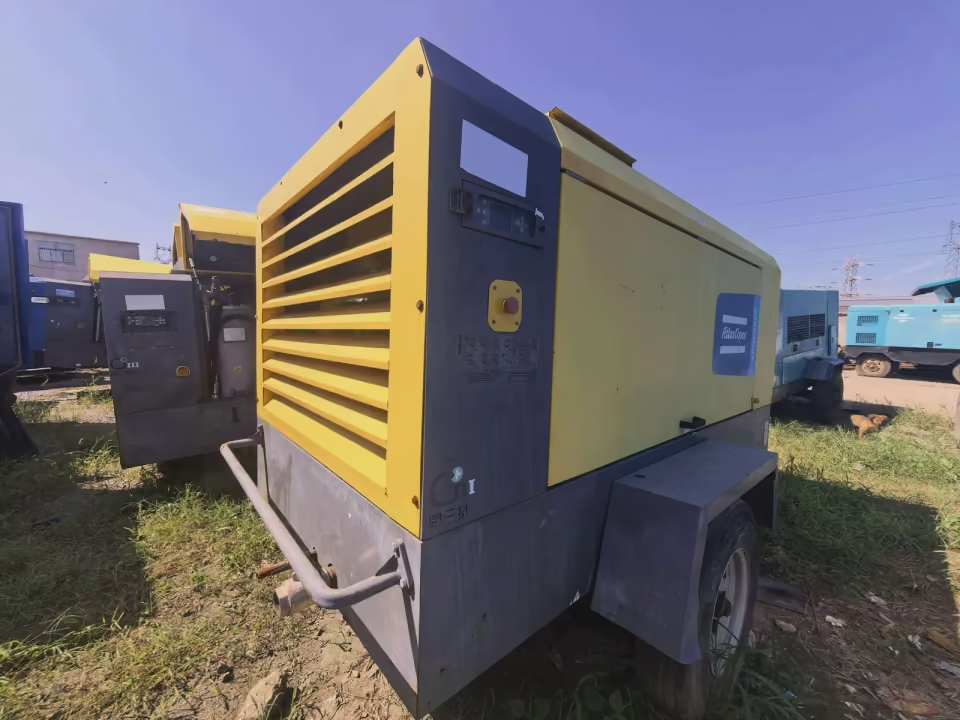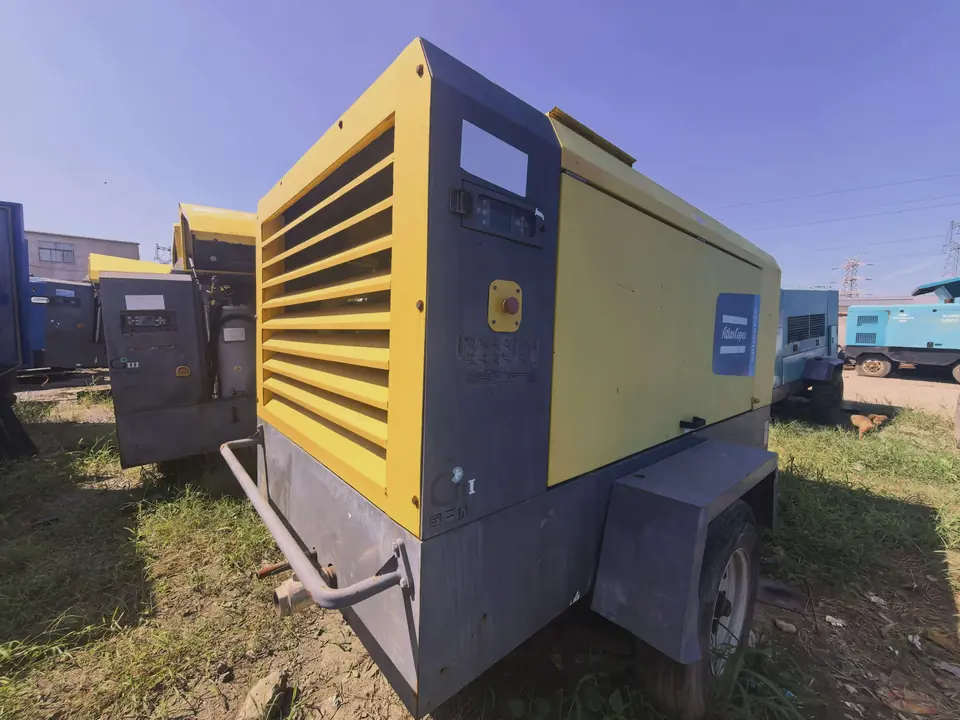
1. Describe the worksite, not just the destination country
A port name is enough to begin a freight discussion but not an air-system assessment. Give site elevation, expected daytime temperature, seasonal extremes, dust exposure and the working pattern. Include whether the compressor will operate in an open area or near structures that influence ventilation. Conditions can vary considerably within one country, so a national climate average may hide the conditions that matter. We use the site brief to request the right rating information and to separate transport requirements from operating requirements in the quotation.
- Provide the actual site location and working environment.
2. Read the rating's reference conditions
A published airflow figure has a defined basis and operating envelope. At another elevation or temperature, both the air end and its driving engine need consideration. Do not apply one remembered percentage to every compressor. Ask for the exact model, engine version, rated working-pressure setting and manufacturer guidance for your site. Keep any correction and its source with the comparison sheet. The FAD or reference-air basis must remain clear so a change in air density is not mistaken for a simple difference between CFM and m³/min.
- Request site ratings for the exact compressor and engine combination.
3. Check the cooling arrangement and installation
Review cooling-system condition, air-inlet and discharge arrangements, required clearances and any documented high-temperature options. The correct operating manual should guide positioning and ventilation. A cooling package described in a current brochure may not be fitted to an older used unit, so include configuration identification in the equipment discussion. Ask for accessible radiator and cooler photographs and relevant maintenance records. These support planning and inspection; they do not replace a loaded evaluation under the conditions agreed with the operator and technician.
- Include cooling configuration and ventilation requirements in the scope.
4. Plan filtration and service support
Dust and the operating environment affect the service plan, but maintenance intervals and filter specifications should come from the applicable instructions. Obtain the installed air-filter and fluid-filter references, service access information and a parts list for the initial operating period. Keep engine filtration and compressor filtration distinct. We recommend comparing the availability of the required parts at the destination before committing to a machine package. Specify who supplies the initial consumables and which service tasks the local team can carry out with its equipment and training.
- Ask for a configuration-specific initial service-parts list.
5. Compare capability at the intended duty
State the target pressure-flow point and how long the equipment must sustain the planned demand. Compare supported site capability with the hammer or tool requirement after considering the air path. An unloaded start-up video answers a different question from a loaded operating record. Ask for a unit-specific evaluation plan with the relevant readings and conditions, and agree how any site differences will be addressed. Keep the measured result, the manufacturer reference and the site assessment distinct so the purchasing decision can be traced to its inputs.
- Review rated, measured and site-assessed values as separate information.
6. Build a site-ready quotation request
Send us the compressor stock ID, location, elevation, temperature range, drilling method and tool data. Add the hose route, daily operating pattern, local service arrangements and destination for delivery. We can organise the equipment discussion around those requirements and identify which accessories belong in the package. Do not use a model suffix as proof of a high-altitude or hot-weather option; identify the fitted equipment. Use our air-path and FAD articles to complete the request before comparing the final machine, accessories and support scope.
- Include site conditions with every compressor enquiry.
Topic decision table: Choosing a Drilling Compressor for High Altitude and Hot Weather
| Topic checkpoint | Buyer action | Evidence-based explanation |
|---|---|---|
| 1. Describe the worksite, not just the destination country | Provide the actual site location and working environment. | A port name is enough to begin a freight discussion but not an air-system assessment. |
| 2. Read the rating's reference conditions | Request site ratings for the exact compressor and engine combination. | A published airflow figure has a defined basis and operating envelope. |
| 3. Check the cooling arrangement and installation | Include cooling configuration and ventilation requirements in the scope. | Review cooling-system condition, air-inlet and discharge arrangements, required clearances and any documented high-temperature options. |
| 4. Plan filtration and service support | Ask for a configuration-specific initial service-parts list. | Dust and the operating environment affect the service plan, but maintenance intervals and filter specifications should come from the applicable instructions. |
Apply this guide to current inventory
Editorial details and evidence notes
How should the evidence be interpreted?
| Evidence type | What it can support | What it cannot prove |
|---|---|---|
| Official or manufacturer source | The cited family, standard or regulatory statement | The configuration or condition of a listed used unit |
| Published inventory record | Stock ID, supplied fields and linked listing photos | Current availability, hidden condition or included scope |
| Unit inspection evidence | Serial-specific observations within the agreed test scope | Performance outside the tested conditions |
Questions about using this guide
Does this guide prove that a listed machine has the feature or compliance discussed?
No. The guide explains a verification method. Confirm the exact stock ID, serial identity, installed configuration and destination rules before relying on it.
What should a buyer do before requesting a final quote?
Send the stock ID, project requirement, destination and requested inspection scope, then ask for current machine-specific evidence.