1. Separate the unit from the measurement basis
CFM means cubic feet per minute, while m³/min means cubic metres per minute. Either can describe a volume flow, but the unit alone does not say where pressure and temperature were measured. Free air delivery, or FAD, expresses delivered compressor output back at stated inlet conditions. Displacement describes swept volume and is not automatically usable delivery. When you send us a specification, include the heading, footnotes and test basis as well as the number. This prevents a theoretical capacity from being compared directly with a delivered-air rating.
- Copy the complete airflow label and its reference conditions.
2. Convert only comparable flow figures
For a volume conversion, 1 m³/min is approximately 35.315 ft³/min. A hypothetical 10 m³/min figure therefore converts to about 353 CFM on the same basis. This arithmetic does not turn actual compressed volume into FAD, nor does it correct one reference temperature to another. Keep the original manufacturer value beside the conversion and avoid false precision when the original figure is rounded. If one document states a standardised reference condition and another uses local inlet conditions, request a compatible comparison from the equipment supplier.
- Use conversions for units; obtain separate corrections for conditions.
3. Read pressure and flow as a pair
A compressor may offer several working-pressure settings with different available airflow. We need the output at your intended setting, not a maximum flow from one line combined with a maximum pressure from another. The same caution applies to engine speed, emissions version and optional control modes. Save the relevant table row and all footnotes. A model-family brochure helps describe the options, while a unit-specific quotation identifies the machine and configuration being offered. This distinction is especially useful when comparing older machines from different production years.
- Record one operating point with every pressure-flow pair.
4. Match the requirement at the air consumer
Start with the exact hammer or other air-powered tool and its manufacturer's requirement. Then describe the hose route, pipework, fittings and any simultaneous air users. Pressure at the compressor outlet is not automatically pressure at the tool, and available airflow should be assessed under the planned operating conditions. We use this information to discuss an appropriate package rather than choosing by compressor badge or engine power alone. For a DTH project, include hammer model, bit diameter, planned hole depth and site elevation in the request.
- Provide tool demand and the complete air path.
5. Keep the comparison sheet short and traceable
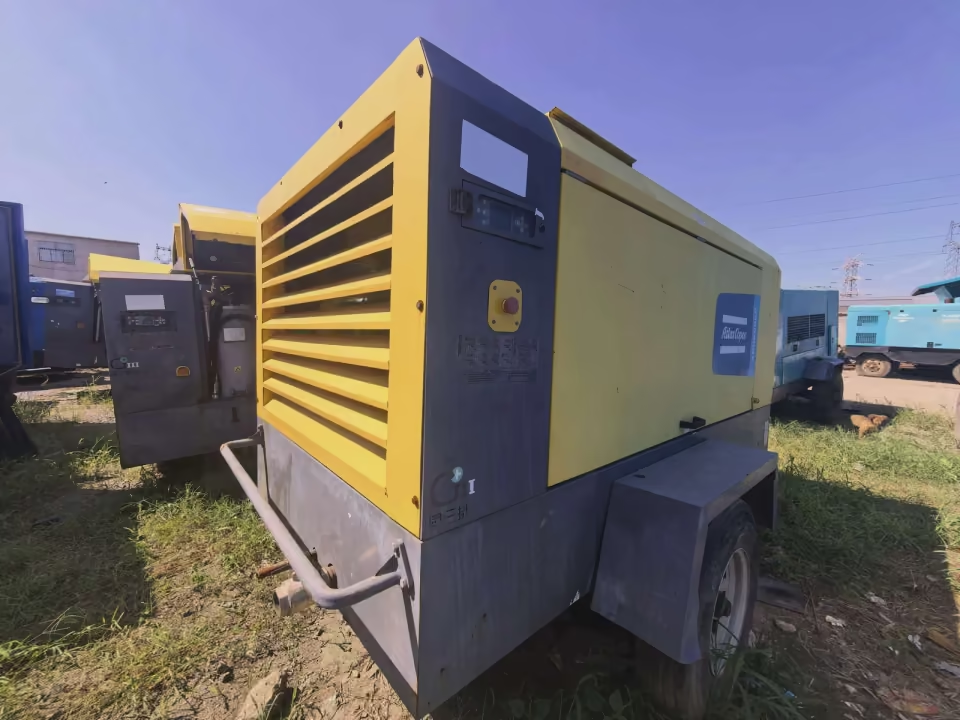
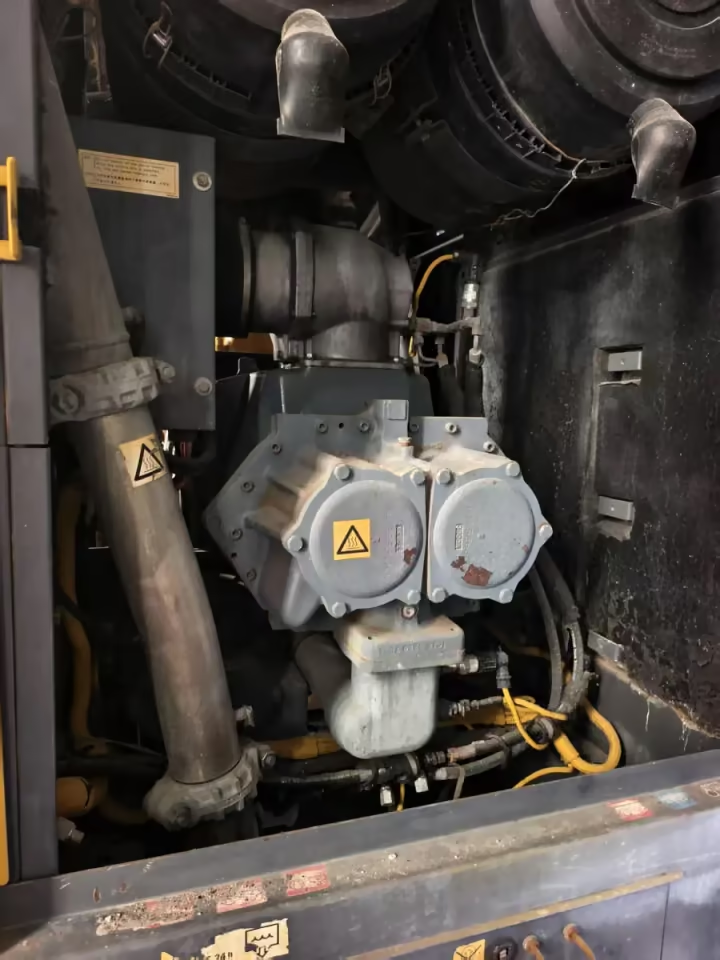
Use one row per candidate with equipment ID, document source, pressure, airflow, flow basis, engine speed where specified and site assumptions. Add a separate column for the proposed accessories. If a photographed plate states a rating, describe it as a nameplate rating; a running measurement belongs in a separate test record with its conditions. This gives you a practical way to compare offers without confusing a design value with current output. A missing footnote can change the meaning of a seemingly precise number.
- Keep nameplate ratings and operating measurements in separate columns.
6. Send us a complete compressor request
Our compressor catalogue links individual equipment records and available specifications. Send the stock ID with your target pressure, required airflow and the original tool data sheet. Add destination, expected climate and whether hoses, lubrication equipment or other accessories are included in your scope. We can then prepare a unit-specific equipment discussion and quotation. If you already have a compressor, include its plate and pressure-flow documentation so that we can compare packages on the same basis. Use the related sizing guide when you also need to select a complete DTH air system.
- Ask Plinton to compare the same operating point and scope of supply.
Topic decision table: FAD, CFM and m³/min: Reading a Drilling Compressor Specification
| Topic checkpoint | Buyer action | Evidence-based explanation |
|---|---|---|
| 1. Separate the unit from the measurement basis | Copy the complete airflow label and its reference conditions. | CFM means cubic feet per minute, while m³/min means cubic metres per minute. |
| 2. Convert only comparable flow figures | Use conversions for units; obtain separate corrections for conditions. | For a volume conversion, 1 m³/min is approximately 35.315 ft³/min. |
| 3. Read pressure and flow as a pair | Record one operating point with every pressure-flow pair. | A compressor may offer several working-pressure settings with different available airflow. |
| 4. Match the requirement at the air consumer | Provide tool demand and the complete air path. | Start with the exact hammer or other air-powered tool and its manufacturer's requirement. |
Apply this guide to current inventory
Editorial details and evidence notes
How should the evidence be interpreted?
| Evidence type | What it can support | What it cannot prove |
|---|---|---|
| Official or manufacturer source | The cited family, standard or regulatory statement | The configuration or condition of a listed used unit |
| Published inventory record | Stock ID, supplied fields and linked listing photos | Current availability, hidden condition or included scope |
| Unit inspection evidence | Serial-specific observations within the agreed test scope | Performance outside the tested conditions |
Questions about using this guide
Does this guide prove that a listed machine has the feature or compliance discussed?
No. The guide explains a verification method. Confirm the exact stock ID, serial identity, installed configuration and destination rules before relying on it.
What should a buyer do before requesting a final quote?
Send the stock ID, project requirement, destination and requested inspection scope, then ask for current machine-specific evidence.