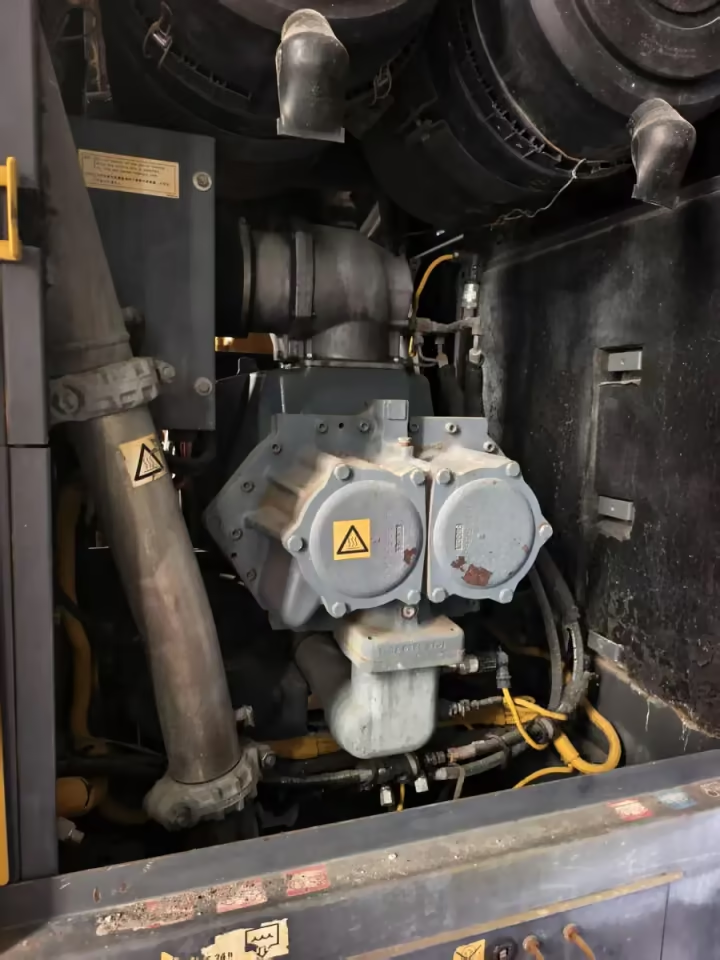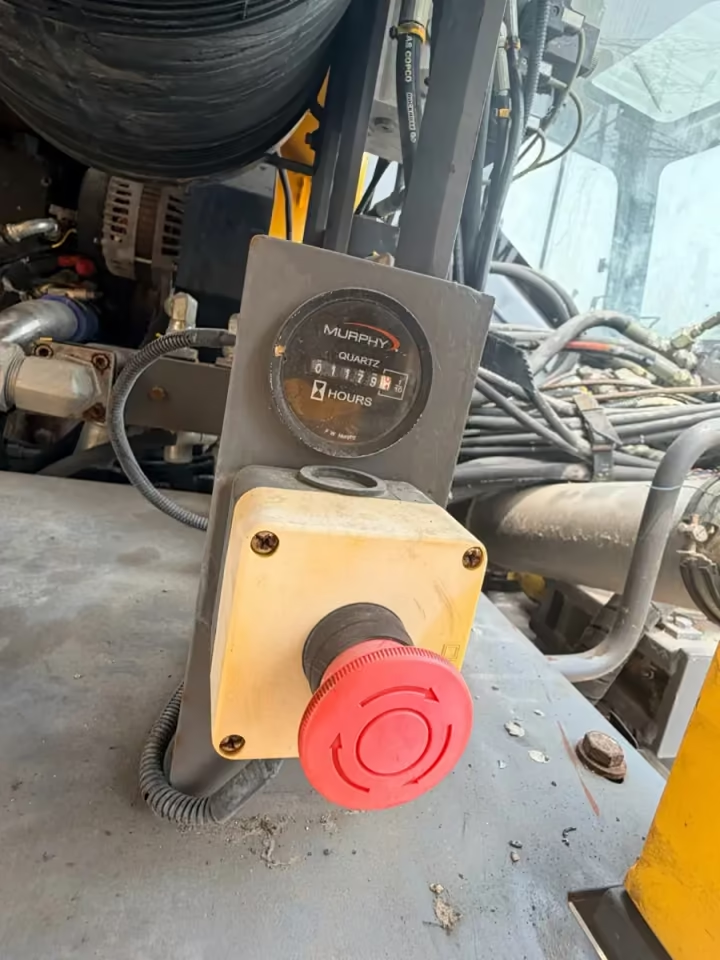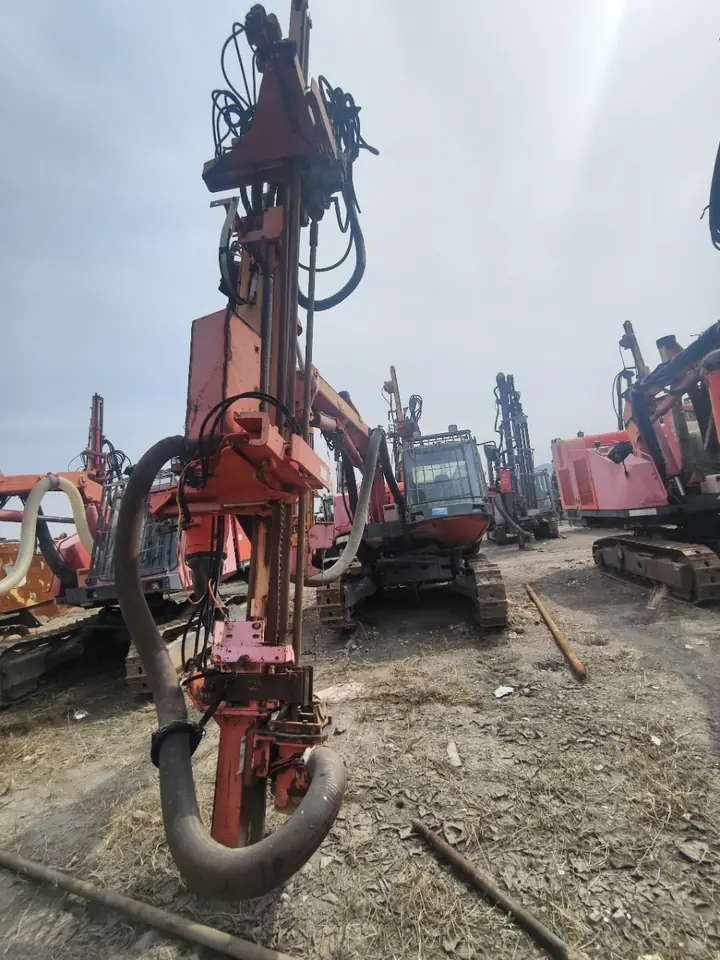
1. Identify the machine, hole and working conditions
Begin each record with date, site, machine ID, operator reference used by your business, hole identifier and the installed tool package. Record planned and achieved hole dimensions, formation intervals and relevant circulation or air settings. Include the measurement source for depth and time. These details make the record usable when comparing work on another day or machine. We use the buyer's project information to discuss equipment requirements; the log should describe the actual operation rather than treating a catalogue maximum as the day's production result.
- Use a consistent header that identifies equipment and ground conditions.
2. Separate drilling time from the rest of the shift
Choose clear categories for drilling, rod changes, setup, relocation, maintenance and other delays. Define when each category begins and ends, then keep those definitions stable. Engine running time is not automatically productive drilling time. A short fast drilling interval can coexist with a low full-shift output if setup or supply delays dominate. We suggest recording both the work periods and their reasons so the project team can distinguish a machine-capability question from a workflow or support-equipment constraint.
- Use defined time categories instead of one unexplained hour total.
3. Define the output used in the calculation
Record drilled length and identify whether the measure includes re-drilling, rejected holes or other work outside the agreed output definition. For an arithmetic example only, 60 accepted metres in 3 drilling hours gives 20 metres per drilling hour; the same 60 metres in a 6-hour shift gives 10 metres per shift hour. Neither number is a claim about our equipment. Both can be correct because the denominators differ. Keep the output and time definitions visible whenever a productivity figure is used in a buying discussion.
- Show both the measured output and the time denominator.
4. Record delays in a form that supports action
Use a short set of reason categories such as access, water or air supply, tool change, planned service and equipment fault, with enough notes to explain unusual events. Record the observed symptom rather than guessing a technical cause. A qualified technician can assess faults using the appropriate procedure. Repeated patterns may point to a support-package requirement or a service priority. The log becomes more useful when it distinguishes recurring delays from one-off events and records the action taken instead of simply labelling every interruption as downtime.
- Describe observations and corrective actions without guessing causes.
5. Connect consumables and cost to the same period
Record fuel or energy using a defined measurement method, tool usage, service items and other project costs for the same operating period as the output. Avoid comparing a full-shift fuel figure with only the best drilling interval. Separate accounting estimates from measured quantities in your internal worksheet. Our cost-per-metre guide explains how to combine those inputs for purchasing comparisons. A consistent log supplies the underlying facts, while the cost model lets you test how utilisation, consumables and support arrangements affect the project budget.
- Align cost, consumption and output to the same reporting period.
6. Use the log to prepare a better equipment inquiry
Send us a non-sensitive summary of the drilling method, ground, hole dimensions, normal time split and the bottleneck you want to address. Include a stock ID if you have selected a machine. We can discuss a unit-specific equipment package against that workload rather than comparing isolated advertised production figures. Keep the original records within your business and share only the operational details needed for the discussion. A sensible comparison uses several relevant shifts and the planned project conditions, with clear assumptions for any forward-looking calculation.
- Use representative operating records to describe the equipment requirement.
Topic decision table: A Drilling Shift Log That Helps Compare Equipment Performance
| Topic checkpoint | Buyer action | Evidence-based explanation |
|---|---|---|
| 1. Identify the machine, hole and working conditions | Use a consistent header that identifies equipment and ground conditions. | Begin each record with date, site, machine ID, operator reference used by your business, hole identifier and the installed tool package. |
| 2. Separate drilling time from the rest of the shift | Use defined time categories instead of one unexplained hour total. | Choose clear categories for drilling, rod changes, setup, relocation, maintenance and other delays. |
| 3. Define the output used in the calculation | Show both the measured output and the time denominator. | Record drilled length and identify whether the measure includes re-drilling, rejected holes or other work outside the agreed output definition. |
| 4. Record delays in a form that supports action | Describe observations and corrective actions without guessing causes. | Use a short set of reason categories such as access, water or air supply, tool change, planned service and equipment fault, with enough notes to explain unusual events. |
Apply this guide to current inventory
Editorial details and evidence notes
How should the evidence be interpreted?
| Evidence type | What it can support | What it cannot prove |
|---|---|---|
| Official or manufacturer source | The cited family, standard or regulatory statement | The configuration or condition of a listed used unit |
| Published inventory record | Stock ID, supplied fields and linked listing photos | Current availability, hidden condition or included scope |
| Unit inspection evidence | Serial-specific observations within the agreed test scope | Performance outside the tested conditions |
Questions about using this guide
Does this guide prove that a listed machine has the feature or compliance discussed?
No. The guide explains a verification method. Confirm the exact stock ID, serial identity, installed configuration and destination rules before relying on it.
What should a buyer do before requesting a final quote?
Send the stock ID, project requirement, destination and requested inspection scope, then ask for current machine-specific evidence.