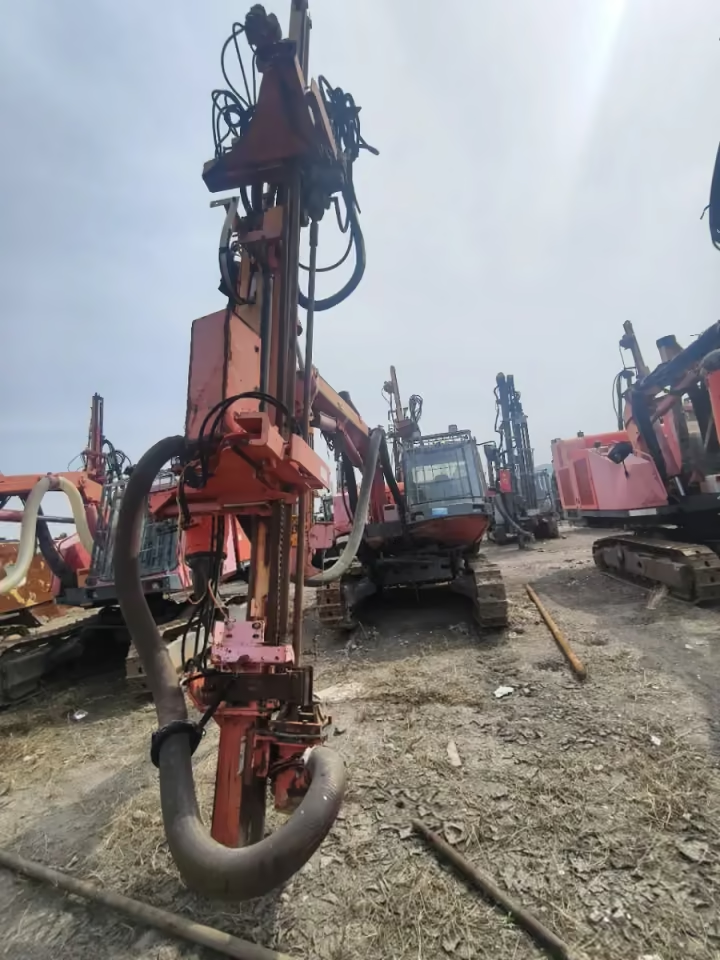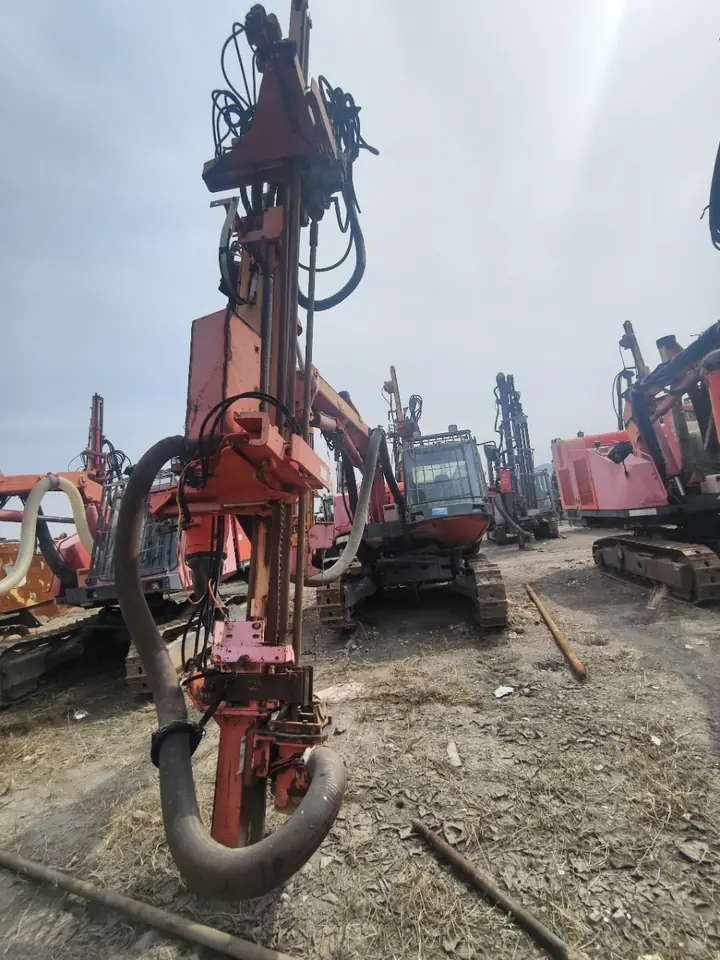
1. Identify the system on the individual rig
Ask which dust collector, shroud, hoses, filters and flushing components are installed, and obtain identification and current photographs where available. A model family may support more than one arrangement, so a brochure option is not the same as equipment included in a sale. We list the requested system with the machine's other major components in a unit-specific quotation. Where the buyer wants an alternative arrangement, compatibility and installation requirements should be reviewed before assuming an accessory can simply be added later.
- Include the collector or flushing system in the equipment list.
2. Compare the purpose of dry and wet arrangements
Dry collection and water-based arrangements manage cuttings and dust through different equipment paths. Their suitability depends on the drilling method, formation, tool requirements and site plan. Water injection, flushing and a complete mud-circulation system are not interchangeable terms. Ask the manufacturer or drilling specialist to identify what the proposed arrangement does and how it interacts with the tool. We keep these descriptions specific so a general request for dust control does not result in quotations for materially different packages.
- Define the required function before comparing accessory names.
3. Plan water and supporting services
If the proposed arrangement uses water, record supply, storage, treatment where required, operating demand and arrangements for the resulting material. If it uses a dry collector, identify the filter system, cleaning arrangement, collected-material handling and required service access. Both approaches need a practical support plan. Seasonal conditions and site restrictions may influence the choice, but the applicable instructions should define operating limits. We ask which supporting items the buyer owns and which should be quoted, including tanks, pumps, lines and replacement filters.
- List the external supplies and supporting equipment the system needs.
4. Inspect components and use an agreed functional scope
Ask a competent technician to assess the installed components and define an appropriate functional evaluation. Visible damage to hoses, seals or shrouds, missing parts and service access are useful inspection topics, while performance needs suitable operating observations and measurements. A running fan or a clean-looking filter does not establish adequate dust control at the worksite. Follow the relevant service instructions for isolation and maintenance. The purchasing record should identify what equipment is included, what work is agreed and which functional checks are in scope.
- Agree component inspection and functional checks for the fitted system.
5. Keep equipment selection within the site's safety plan
The employer or responsible site team must assess airborne exposure and the required combination of controls for the work. Equipment selection is one input to that assessment, alongside work practices, maintenance and any monitoring or protective measures required locally. A sales description is not an exposure measurement or a compliance certificate. We provide equipment information for that review and encourage buyers to obtain the relevant manufacturer instructions. Avoid substituting a generic claim such as dust-free for a defined system and a site-specific control plan.
- Have the responsible site specialists review the complete control plan.
6. Add dust and flushing needs to the inquiry
Send us the rig stock ID, drilling method, ground description and your site's equipment requirements. Tell us whether you need a dry collector, a specified water arrangement or a technical discussion to complete the package. Add available water supply, intended operating pattern and required service parts. We can then prepare a focused equipment scope for the selected machine. Our maintenance and drill-tool guides help you connect the collector or flushing arrangement with the rest of the drilling system instead of treating it as an optional detail after purchase.
- Include the intended control arrangement in your rig quotation request.
Topic decision table: Dry Dust Collection or Water Flushing: Questions for a Used Drill Rig
| Topic checkpoint | Buyer action | Evidence-based explanation |
|---|---|---|
| 1. Identify the system on the individual rig | Include the collector or flushing system in the equipment list. | Ask which dust collector, shroud, hoses, filters and flushing components are installed, and obtain identification and current photographs where available. |
| 2. Compare the purpose of dry and wet arrangements | Define the required function before comparing accessory names. | Dry collection and water-based arrangements manage cuttings and dust through different equipment paths. |
| 3. Plan water and supporting services | List the external supplies and supporting equipment the system needs. | If the proposed arrangement uses water, record supply, storage, treatment where required, operating demand and arrangements for the resulting material. |
| 4. Inspect components and use an agreed functional scope | Agree component inspection and functional checks for the fitted system. | Ask a competent technician to assess the installed components and define an appropriate functional evaluation. |
Apply this guide to current inventory
Editorial details and evidence notes
How should the evidence be interpreted?
| Evidence type | What it can support | What it cannot prove |
|---|---|---|
| Official or manufacturer source | The cited family, standard or regulatory statement | The configuration or condition of a listed used unit |
| Published inventory record | Stock ID, supplied fields and linked listing photos | Current availability, hidden condition or included scope |
| Unit inspection evidence | Serial-specific observations within the agreed test scope | Performance outside the tested conditions |
Questions about using this guide
Does this guide prove that a listed machine has the feature or compliance discussed?
No. The guide explains a verification method. Confirm the exact stock ID, serial identity, installed configuration and destination rules before relying on it.
What should a buyer do before requesting a final quote?
Send the stock ID, project requirement, destination and requested inspection scope, then ask for current machine-specific evidence.