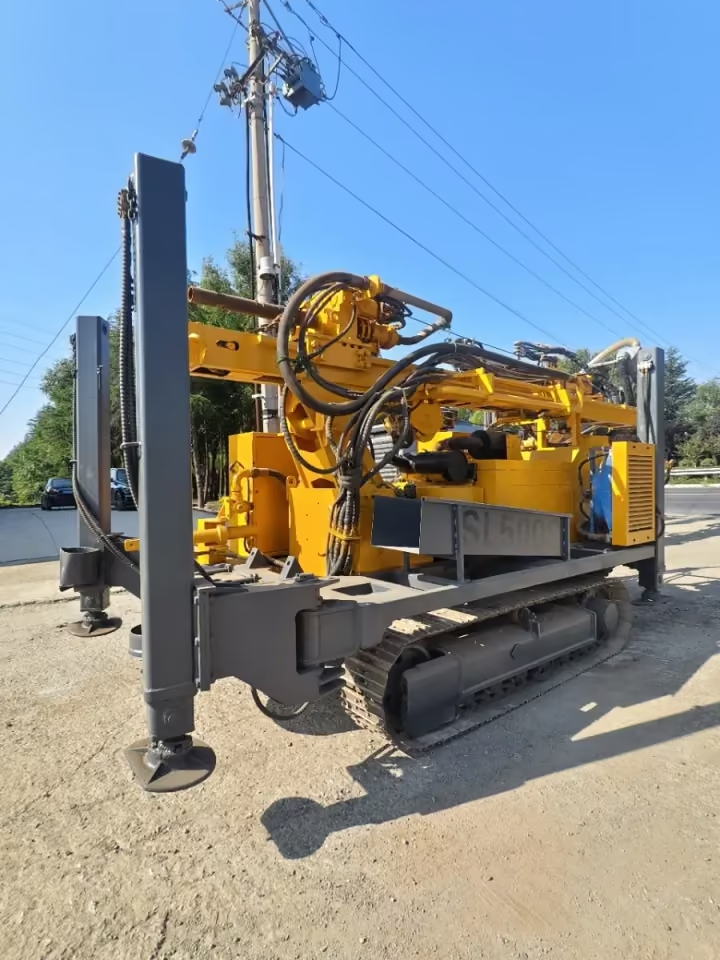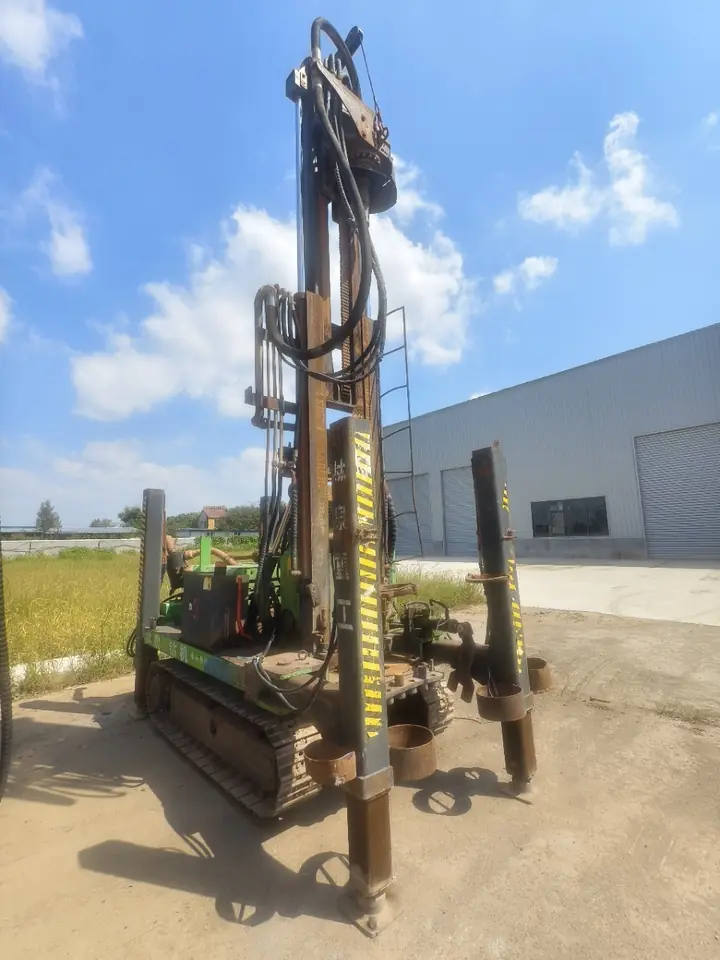
1. Define what the circulation system must do
The drilling plan should describe the borehole, drill string, formations and intended fluid programme. These inputs help the drilling specialist determine how circulation will support the work and transport cuttings. A pump label by itself cannot define a suitable system. Send us the proposed method and any required operating range prepared by your contractor. We can then discuss the equipment package against that brief. Keep well-design and fluid-design decisions with the responsible specialists, particularly where formation stability or groundwater protection affects the method.
- Obtain the project's circulation requirements before comparing pumps.
2. Compare pressure and flow at one duty point
Read the pump performance information for the actual drive, speed and fluid application. A maximum-flow figure and a maximum-pressure figure may describe different conditions, so they cannot automatically be combined. Include suction conditions and the limits of the hoses and fittings in the review. If the offered pump differs from the one in the rig's original brochure, identify it separately. We keep the pump's model reference, the proposed operating point and any unit-specific operating record distinct in the comparison rather than treating them as the same evidence.
- Ask for the applicable pump curve or duty specification.
3. Check compatibility with the fluid and solids
Record the fluid system and expected solids characteristics with the drilling specialist. Pump type, materials, seals and maintenance needs depend on the intended service. Confirm which fluids and solids the manufacturer permits, and identify the required strainers, protection or upstream treatment. Do not assume that a clean-water rating describes operation with drilling fluid. Ask for the installed pump identification, maintenance history and the relevant parts references. This gives the local team a practical basis for service planning and avoids ordering consumables for a similar-looking pump.
- Confirm fluid suitability and service parts for the installed pump.
4. Include the complete surface circuit
List tanks or approved pits, mixing equipment, suction and return lines, valves, fittings and solids-control equipment required by the project. Show how fluid moves from storage through the rig and back to the surface system. Consider access for cleaning, maintenance and handling of the removed material under the site's rules. The working area needed by this circuit may exceed the footprint of the rig itself. We ask for a layout sketch so the offer includes the supporting equipment the buyer expects rather than only the main pump.
- Draw the circulation loop and identify every supplied component.
5. Plan water supply, transport and consumables
Establish how the project will obtain and store water, replenish the fluid system and handle the transport of tanks and accessories. Ask the responsible site team about local requirements for water use and fluid management. Put startup consumables, wear parts and hoses on separate quotation lines with quantities. A compact rig does not necessarily mean a small support package. Compare the loaded transport arrangement and working layout together so the equipment can both reach the site and operate within the planned space.
- Price the rig, circulation equipment and consumables as separate lines.
6. Request a complete rotary package
Send us the selected rig stock ID, hole plan, ground information, proposed fluid programme, circulation duty and destination. Add the equipment you already own and indicate which items you want supplied. We can use that scope for a unit-specific discussion and quotation, with appropriate technical follow-up on compatibility. If you are still choosing between air and mud methods, start with our method-comparison guide. Once that choice is defined, the itemised circuit becomes a useful checklist for comparing different equipment offers on equal terms.
- Attach the surface-circuit sketch and required duty to your inquiry.
Topic decision table: Mud Pump and Tank Packages for a Used Rotary Drilling Rig
| Topic checkpoint | Buyer action | Evidence-based explanation |
|---|---|---|
| 1. Define what the circulation system must do | Obtain the project's circulation requirements before comparing pumps. | The drilling plan should describe the borehole, drill string, formations and intended fluid programme. |
| 2. Compare pressure and flow at one duty point | Ask for the applicable pump curve or duty specification. | Read the pump performance information for the actual drive, speed and fluid application. |
| 3. Check compatibility with the fluid and solids | Confirm fluid suitability and service parts for the installed pump. | Record the fluid system and expected solids characteristics with the drilling specialist. |
| 4. Include the complete surface circuit | Draw the circulation loop and identify every supplied component. | List tanks or approved pits, mixing equipment, suction and return lines, valves, fittings and solids-control equipment required by the project. |
Apply this guide to current inventory
Editorial details and evidence notes
How should the evidence be interpreted?
| Evidence type | What it can support | What it cannot prove |
|---|---|---|
| Official or manufacturer source | The cited family, standard or regulatory statement | The configuration or condition of a listed used unit |
| Published inventory record | Stock ID, supplied fields and linked listing photos | Current availability, hidden condition or included scope |
| Unit inspection evidence | Serial-specific observations within the agreed test scope | Performance outside the tested conditions |
Questions about using this guide
Does this guide prove that a listed machine has the feature or compliance discussed?
No. The guide explains a verification method. Confirm the exact stock ID, serial identity, installed configuration and destination rules before relying on it.
What should a buyer do before requesting a final quote?
Send the stock ID, project requirement, destination and requested inspection scope, then ask for current machine-specific evidence.