1. Separate the cutting method from the flushing medium
DTH places the impact mechanism down the hole; compressed air operates the hammer and carries cuttings. Mud rotary uses a rotating cutting tool and a circulating drilling fluid. Air rotary without a DTH hammer is another arrangement and should not be confused with the comparison here. The NGWA equipment-selection manual describes these distinctions. Ask the seller to identify the cutting tool, drive system and circulation route instead of accepting a broad label such as multifunction drilling.
- Specify air DTH or mud rotary and identify the actual cutting tool.
2. Evaluate competent rock and loose formations separately
Competent rock can make an air DTH package a candidate, subject to the tool maker's limits and the drilling plan. Loose or unstable formations require a borehole-support strategy; circulating drilling fluid and casing may form part of that strategy. Neither method is automatically suitable for every layer. Provide nearby logs, expected overburden and water conditions to the drilling specialist. Do not turn a short rock description into a promised penetration rate or a guarantee against collapse.
- Ask the drilling specialist to assess each interval, including the overburden.
3. Define the air package at a real operating point
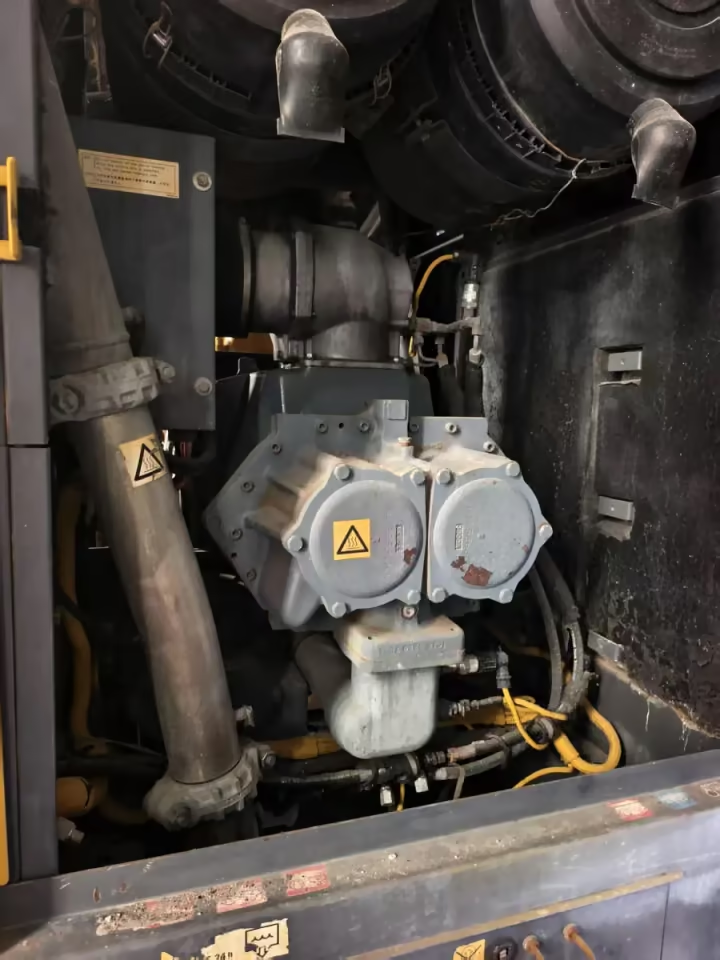
List the hammer model, bit, rods, lubrication arrangement, hoses and compressor. Use the hammer's current air-consumption information with the intended operating pressure and project conditions; account for the rest of the air path when assessing suitability. Our CR-057 record provides a nameplate pair of 18.6 m³/min at 20 bar. That pair is a rated reference for the listed compressor, not a recent flow test and not confirmation that it will support a particular well or hammer.
- Keep pressure, flow, measurement basis and source together.
4. Define the mud package beyond the pump
A mud rotary comparison should identify the pump, hose and swivel arrangements, fluid supply, mixing and circulation provisions, suitable bits and the proposed casing programme. Lone Star's explanation of its own mud rotary systems illustrates why the circulating system matters alongside the rig. It is not a specification for our inventory. Ask the responsible contractor to define the fluid and waste-handling plan for the ground and destination; do not substitute a generic pump label for that engineering decision.
- Quote the complete fluid circuit and the tooling required by the drilling plan.
5. Check what switching methods actually involves
For mixed ground, ask for an itemised changeover plan. Which tools are exchanged, which connections remain, and which air or fluid components must be isolated? What rod, casing and support equipment travels with the crew? Obtain the applicable manufacturer's procedures and a trained operator's review. A rig that can accept optional equipment is different from a delivered package ready for both methods. Keep optional, supplied and buyer-owned items separate in the comparison sheet and quotation.
- Treat dual-method capability and supplied dual-method equipment as separate checks.
6. Use inventory evidence to narrow the purchase
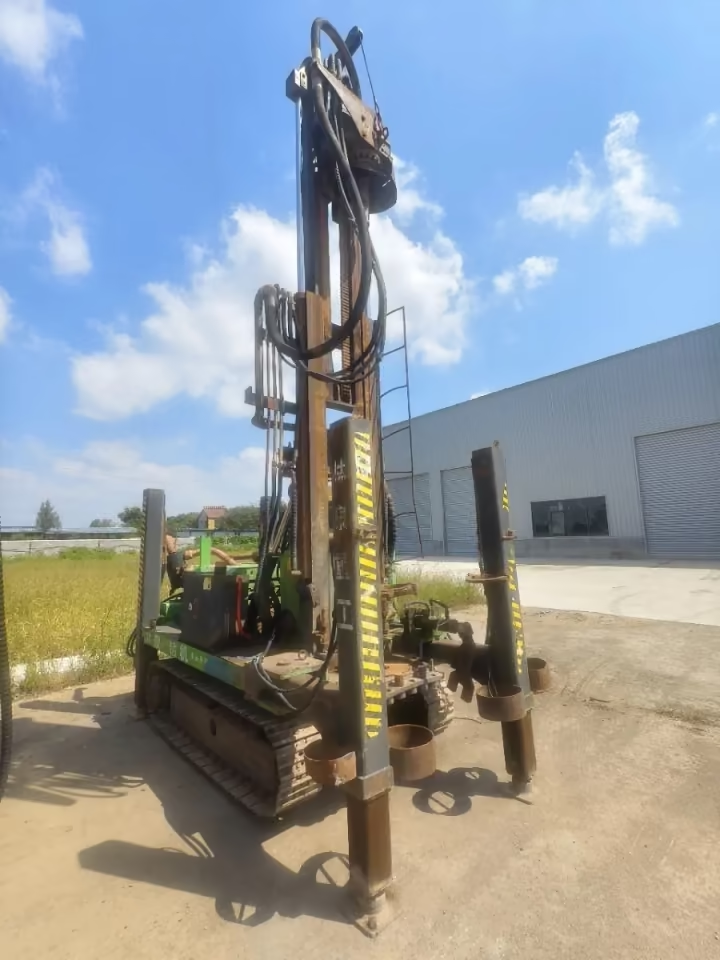
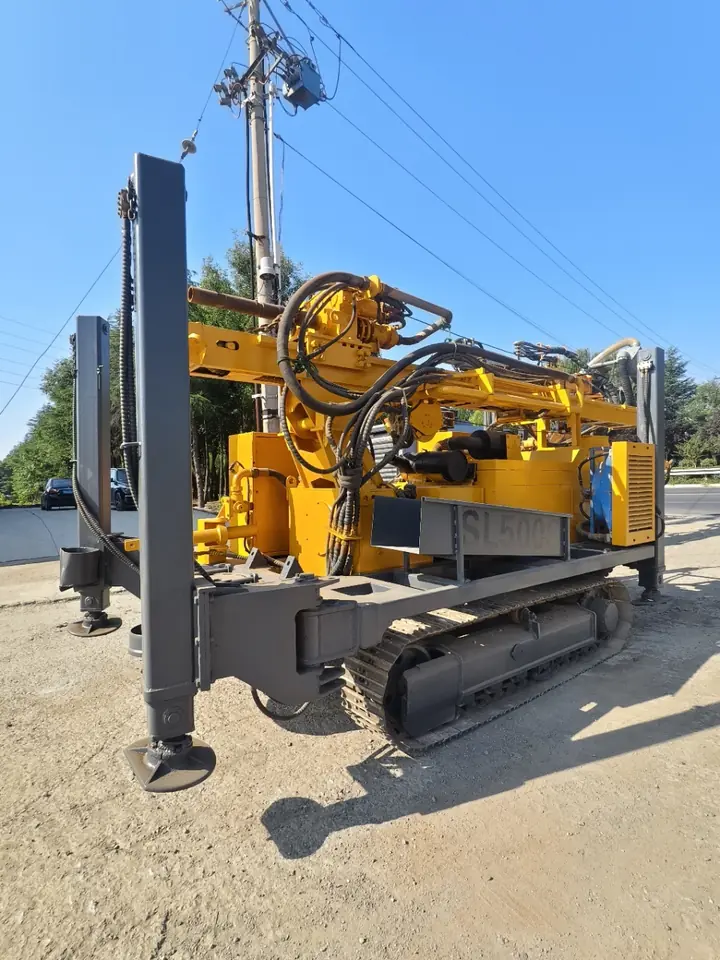
CR-062 is the Linquan LQ-260 record and CR-069 is the Zhengyuan SL500S record. Use their photos and stock IDs to start a configuration discussion rather than assigning drilling capabilities from the digits in their names. If an air package is needed, compare CR-057 separately and request evidence for the selected operating point. These records do not establish that the three machines form a tested package; compatibility and current condition must be verified for the exact equipment.
- Request one configuration list covering the rig and its chosen support equipment.
7. Send a method-specific requirement
Include target hole and casing sizes, depth, formation sequence, available site water, destination and whether you already own rods, a hammer, compressor or pump. Ask for a quotation that identifies each supplied item and an inspection plan for the proposed configuration. If the ground information is incomplete, retain that item in the project brief instead of assuming the easier formation. Compare proposals against the same brief so that differences in tools, support and inspection scope are visible before purchase.
- Use the editable inquiry to explain the drilling task and any existing equipment.
Topic decision table: Air vs Mud Rotary Drilling: What Should You Buy?
| Topic checkpoint | Buyer action | Evidence-based explanation |
|---|---|---|
| 1. Separate the cutting method from the flushing medium | Specify air DTH or mud rotary and identify the actual cutting tool. | DTH places the impact mechanism down the hole; compressed air operates the hammer and carries cuttings. |
| 2. Evaluate competent rock and loose formations separately | Ask the drilling specialist to assess each interval, including the overburden. | Competent rock can make an air DTH package a candidate, subject to the tool maker's limits and the drilling plan. |
| 3. Define the air package at a real operating point | Keep pressure, flow, measurement basis and source together. | List the hammer model, bit, rods, lubrication arrangement, hoses and compressor. |
| 4. Define the mud package beyond the pump | Quote the complete fluid circuit and the tooling required by the drilling plan. | A mud rotary comparison should identify the pump, hose and swivel arrangements, fluid supply, mixing and circulation provisions, suitable bits and the proposed casing programme. |
Apply this guide to current inventory
- Water Well Drilling Rigs →
- Drilling Rigs →
- Air Compressors →
- Inspection →
- Export planning for Indonesia, the Middle East and Africa →
- Zhengyuan SL500S · CR-069 →
- Linquan LQ-260 · CR-062 →
- Atlas Copco XRHS666 C · CR-057 →
- How to Choose a Used Water Well Drilling Rig →
- How to Size a Portable Air Compressor for DTH Drilling: Pressure, Flow and Site Conditions →
- Top Hammer vs DTH: Choosing a Used Surface Drill Rig →
Editorial details and evidence notes
How should the evidence be interpreted?
| Evidence type | What it can support | What it cannot prove |
|---|---|---|
| Official or manufacturer source | The cited family, standard or regulatory statement | The configuration or condition of a listed used unit |
| Published inventory record | Stock ID, supplied fields and linked listing photos | Current availability, hidden condition or included scope |
| Unit inspection evidence | Serial-specific observations within the agreed test scope | Performance outside the tested conditions |
Questions about using this guide
Does this guide prove that a listed machine has the feature or compliance discussed?
No. The guide explains a verification method. Confirm the exact stock ID, serial identity, installed configuration and destination rules before relying on it.
What should a buyer do before requesting a final quote?
Send the stock ID, project requirement, destination and requested inspection scope, then ask for current machine-specific evidence.