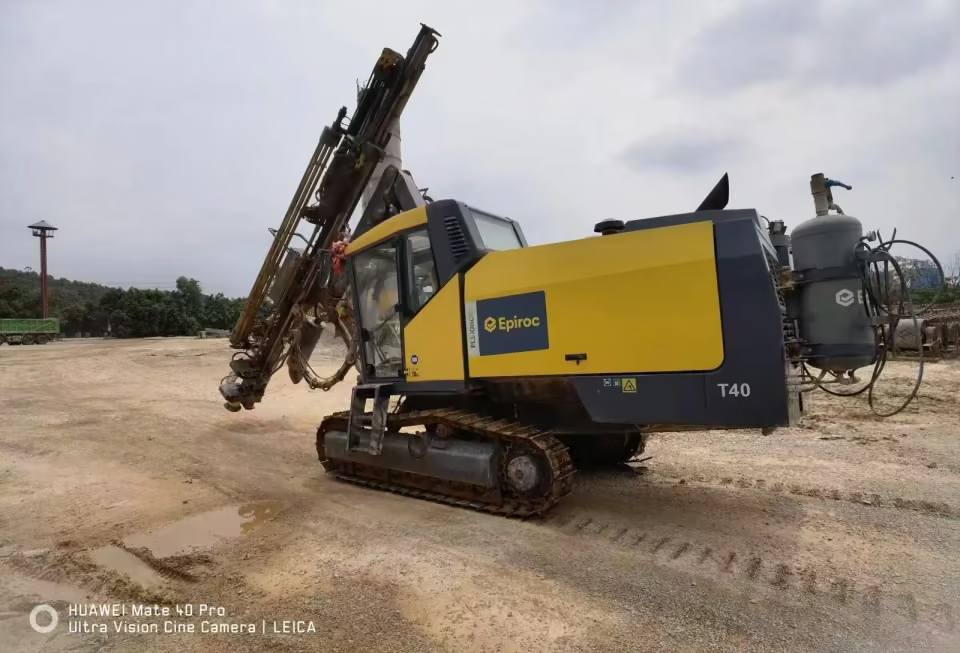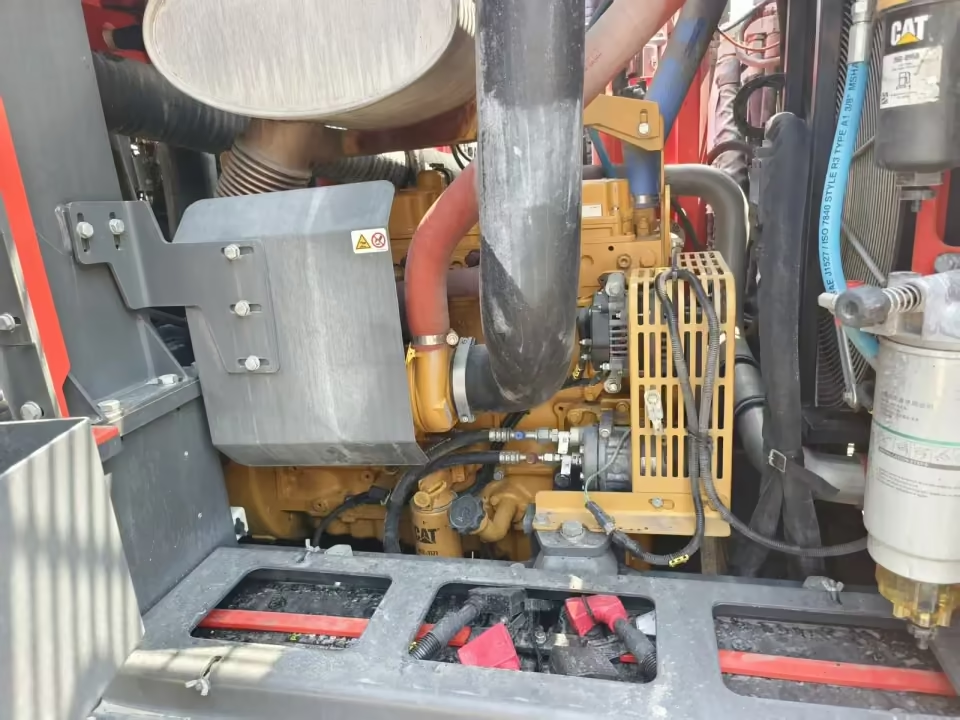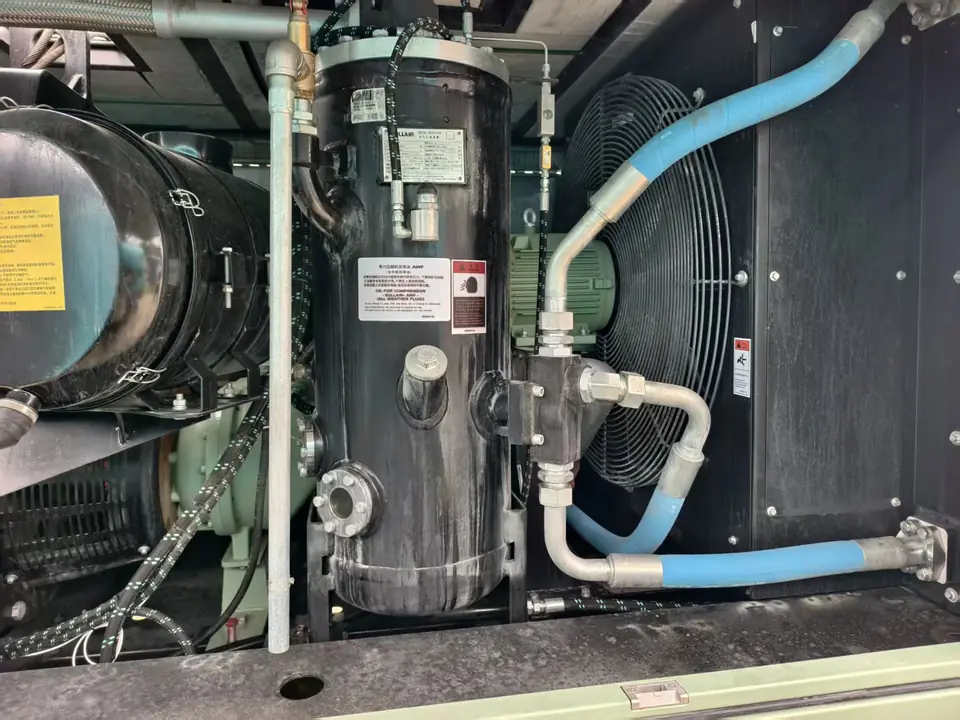
1. Identify the real power architecture
Start by documenting the energy source during tramming, drilling and peak loads, and whether charging occurs during drilling or requires separate equipment. Sandvik describes battery tramming and Charging While Drilling on the DD422iE. Epiroc described its 2024 SmartROC D65 BE demonstrator as using batteries for tramming and cable power for drilling. These examples show why the label alone is insufficient.
Draw a simple operating-state map for the unit: parked, starting, level tramming, uphill tramming, positioning, drilling, charging and emergency recovery. For each state, identify the energy source, maximum duration, operator action and failure response. This exposes missing chargers, cables or procedures before they become a site delay.
- Power source in every operating mode
- Charging path and emergency recovery
- External transformer, charger or cable requirements
2. Demand a battery condition file
A state-of-charge display shows how full a battery is now, not its remaining health. Request chemistry, manufacture and commissioning dates, battery serials, operating hours, charge cycles, state-of-health results, temperature and isolation events, module replacement history, software version and a current replacement quotation. Check whether any warranty or service agreement can transfer.
Ask who generated each health report, when it was captured and under what test procedure. A report from months earlier may not reflect storage, overheating or repairs since that date. If the seller cannot provide an OEM-supported health test, price the uncertainty explicitly and make a satisfactory inspection a condition of the transaction.
- State of health rather than charge alone
- Cell or module imbalance and temperature history
- Repairs, retrofit history and remaining support
3. Inspect the complete high-voltage system
Qualified personnel should examine cables, connectors, reel and tension control, charging interface, inverter, traction motor, isolation monitoring, ground-fault protection, interlocks, emergency disconnects and battery thermal management. Look for water entry, impact damage, heat marks and non-standard repairs. High-voltage and insulation testing must follow the correct OEM and site procedures.
- Cable, reel, connector and enclosure condition
- Isolation, interlock and emergency functions
- Cooling, heating and low-voltage support systems
4. Test a representative duty cycle
A short flat-yard movement cannot predict operation on a ramp. Record starting charge, ambient temperature, payload, distance, gradient, travel time and ending charge, then perform drilling under load and observe charging behaviour and alarms. Where the design charges during drilling, prove the function. Use documented measurements for battery health and operating performance.
Repeat measurements are more useful than one best run. Where possible, perform comparable outbound and return movements and note regenerative or downhill behaviour separately. Do not extrapolate a long range from a few minutes of operation; report the observed distance, charge change and conditions exactly as tested.
- Cold start and loaded tram test
- Drilling and charging under controlled conditions
- Recorded alarms, energy change and test limitations
5. Match the destination infrastructure
Confirm supply voltage and frequency, peak power, connectors, earthing, charging area, ambient temperature, ramp grades, travel distance, shift pattern and emergency response. A multi-voltage design improves flexibility but does not remove the need to verify the actual installed range and site connection. Also confirm trained technicians, diagnostic access and parts support in the destination country.
- Electrical compatibility and available power
- Route, grade, climate and shift schedule
- Local safety, service and parts capability
6. Calculate total ownership cost
Compare electricity, battery degradation and replacement, cables, charging infrastructure, specialist maintenance, training and downtime with diesel, engine maintenance, ventilation, heat and fuel logistics. Underground ventilation benefits can be material, but they depend on mine design. Surface operations must account for grid or generator access and cable movement. Use local prices and the planned ownership period, not an OEM case from another site.
Calculate at least an expected case and a stress case. The stress case should test lower usable battery capacity, colder or hotter conditions, an extended parts lead time and an earlier battery replacement. A result that remains viable under realistic adverse assumptions is more useful than a best-case payback claim.
- Build expected and stress scenarios
- Price battery replacement and infrastructure
- Use actual duty-cycle measurements
7. Evidence, shipping and configuration limits
Confirm with the carrier and competent dangerous-goods and destination specialists how the installed battery may be shipped, documented and commissioned. The OEM examples in this guide do not prove the battery chemistry, range, voltage, condition or architecture of any unit advertised here. Verify the machine and battery serial numbers, inspection results and destination requirements before purchase.
The delivery file should identify every battery module, charger, cable, adapter, special tool, manual and safety item supplied. Photograph their condition before packing and agree who performs isolation, packing, reconnection and commissioning. Missing ancillary equipment can prevent operation even when the rig itself arrives undamaged.
- Obtain written transport and commissioning requirements
- Do not infer a unit's specification from its model family
- Use qualified electrical and regulatory specialists
Topic decision table: Buying a Used Battery-Electric Drill Rig: The Checks That Matter
| Topic checkpoint | Buyer action | Evidence-based explanation |
|---|---|---|
| 1. Identify the real power architecture | Power source in every operating mode | Start by documenting the energy source during tramming, drilling and peak loads, and whether charging occurs during drilling or requires separate equipment. Sandvik describes battery tramming and Charging While Drilling on the DD422iE. Epiroc described its 2024 SmartROC D65 BE demonstrator as using batteries for tramming and cable power for drilling. These examples show why the label alone is insufficient. |
| 2. Demand a battery condition file | State of health rather than charge alone | A state-of-charge display shows how full a battery is now, not its remaining health. Request chemistry, manufacture and commissioning dates, battery serials, operating hours, charge cycles, state-of-health results, temperature and isolation events, module replacement history, software version and a current replacement quotation. Check whether any warranty or service agreement can transfer. |
| 3. Inspect the complete high-voltage system | Cable, reel, connector and enclosure condition | Qualified personnel should examine cables, connectors, reel and tension control, charging interface, inverter, traction motor, isolation monitoring, ground-fault protection, interlocks, emergency disconnects and battery thermal management. Look for water entry, impact damage, heat marks and non-standard repairs. High-voltage and insulation testing must follow the correct OEM and site procedures. |
| 4. Test a representative duty cycle | Cold start and loaded tram test | A short flat-yard movement cannot predict operation on a ramp. Record starting charge, ambient temperature, payload, distance, gradient, travel time and ending charge, then perform drilling under load and observe charging behaviour and alarms. Where the design charges during drilling, prove the function. Use documented measurements for battery health and operating performance. |
| 5. Match the destination infrastructure | Electrical compatibility and available power | Confirm supply voltage and frequency, peak power, connectors, earthing, charging area, ambient temperature, ramp grades, travel distance, shift pattern and emergency response. A multi-voltage design improves flexibility but does not remove the need to verify the actual installed range and site connection. Also confirm trained technicians, diagnostic access and parts support in the destination country. |
Apply this guide to current inventory
- Used Inventory →
- Inspection →
- Export planning for Indonesia, the Middle East and Africa →
- Drilling Rigs →
- Air Compressors →
- Sandvik DX700 · used-rig records →
- Sandvik DX800 · used-rig records →
- Sandvik DP1100 — CR-005 · used-rig records →
- Atlas Copco D45 · used-rig records →
- Atlas Copco D50 · used-rig records →
- Atlas Copco D55 · used-rig records →
- Atlas Copco T35 · used-rig records →
- Atlas Copco T40 · used-rig records →
- Used Drilling Rig Inspection Checklist: 12 Evidence-Based Checks Before You Buy →
- How to Size a Portable Air Compressor for DTH Drilling: Pressure, Flow and Site Conditions →
- How to Calculate the Real Cost per Drilled Metre →
Editorial details and evidence notes
How should the evidence be interpreted?
| Evidence type | What it can support | What it cannot prove |
|---|---|---|
| Official or manufacturer source | The cited family, standard or regulatory statement | The configuration or condition of a listed used unit |
| Published inventory record | Stock ID, supplied fields and linked listing photos | Current availability, hidden condition or included scope |
| Unit inspection evidence | Serial-specific observations within the agreed test scope | Performance outside the tested conditions |
Questions about using this guide
Does this guide prove that a listed machine has the feature or compliance discussed?
No. The guide explains a verification method. Confirm the exact stock ID, serial identity, installed configuration and destination rules before relying on it.
What should a buyer do before requesting a final quote?
Send the stock ID, project requirement, destination and requested inspection scope, then ask for current machine-specific evidence.