Start with serial numbers, not a shopping list
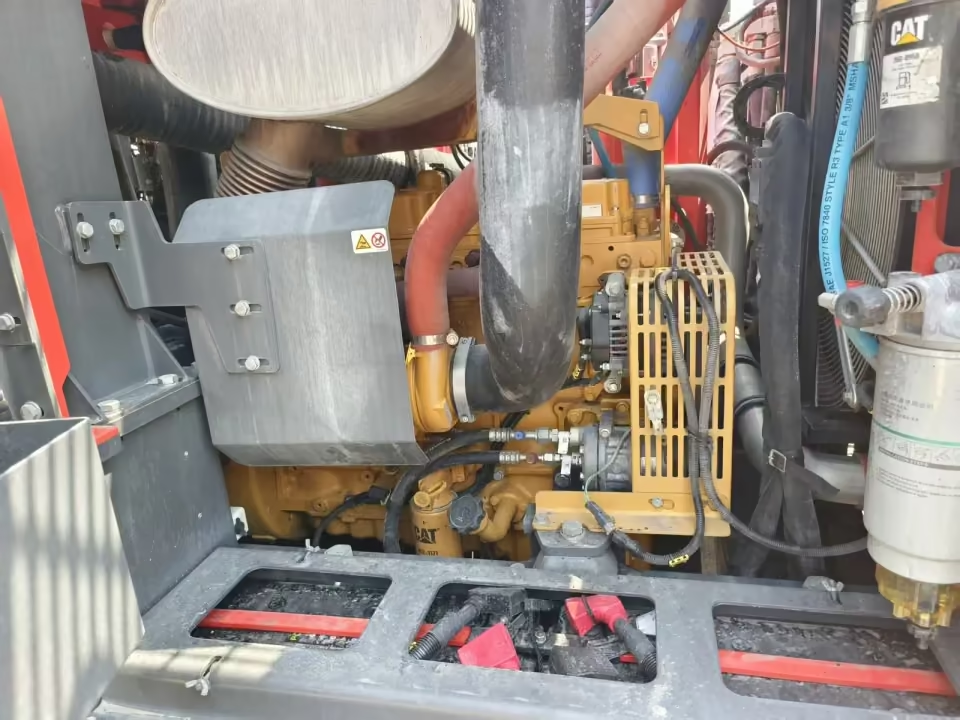
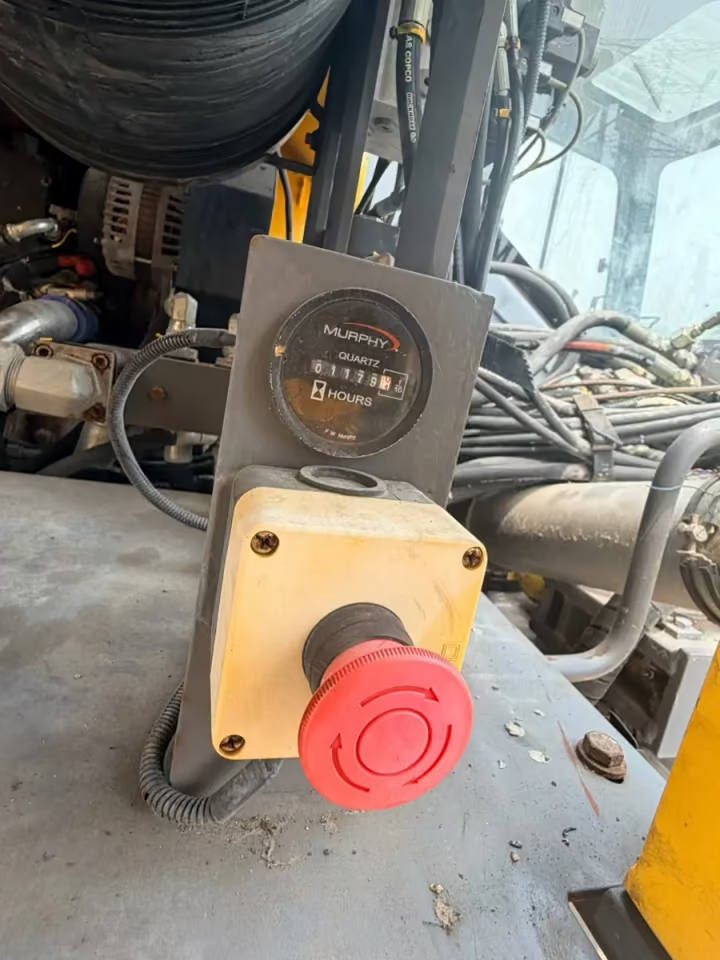
Record the rig serial number and photograph the identification plates on the fitted engine, rock drill and other relevant assemblies. Older machines may carry components replaced during their working life. A model badge therefore cannot establish every installed part. Epiroc's published SmartROC T30 R instructions explain the importance of selecting the parts catalogue for the machine identity. That principle helps organise an enquiry, but the T30 R document is not a parts manual for a different rig listed by Plinton.
- Send clear identification photographs with every parts enquiry, alongside the seller's stock ID.
Which documents make a parts request useful?
Obtain the applicable parts catalogue and operator or maintenance manual through an appropriate owner or manufacturer channel. Record the document revision and the machine range it covers. Where a component has been changed, include its own identification and documentation. Sandvik's RD314 page directs owners towards its technical and parts information services; it does not establish that the RD314 is fitted to a particular used listing. Avoid ordering from a visually similar assembly without confirming the matching part number and application.
- Ask the parts provider to reference the catalogue and component identity used for its quotation.
Separate service items from critical components
A starting package can be organised into routine maintenance items, wear items and larger components that could interrupt work. The actual contents should follow the selected rig's inspection findings and maintenance instructions. Do not copy a generic filter or seal kit onto every machine in the same brand family. Quantities also depend on the planned maintenance period, operating conditions and destination supply arrangements. Have the workshop responsible for the rig review the list so the package supports a defined service plan rather than becoming an assortment of unrelated stock.
- Create separate lines for item number, application, quantity and the reason it is needed.
How should alternative parts be assessed?
Distinguish an original manufacturer's part from an alternative offered by another supplier. Ask who confirms compatibility, what technical identification supports the choice and which terms apply to the supplied item. A lower price or matching appearance alone does not establish suitability. Components affecting safety or control functions require the relevant technical review before substitution. Keep the supplier's written confirmation with the purchase file. This guide does not approve a substitute component or claim that we hold a particular manufacturer's authorisation.
- Keep the proposed part identity and compatibility confirmation attached to the order.
Check supply arrangements at the destination
Ask the intended parts provider which items it can supply, where they would ship from and what its current quotation includes. Confirm ordering contacts, freight scope, return conditions and any technical information needed to process an enquiry. A catalogue entry alone does not establish stock availability or dispatch timing. Discuss access to suitable service personnel as well as parts. If a critical assembly requires specialist work, identify the workshop and the information it needs before relying on that machine for a project start.
- Obtain a written supply plan for the critical items instead of assuming brand coverage means local stock.
Apply the check to the machine being purchased
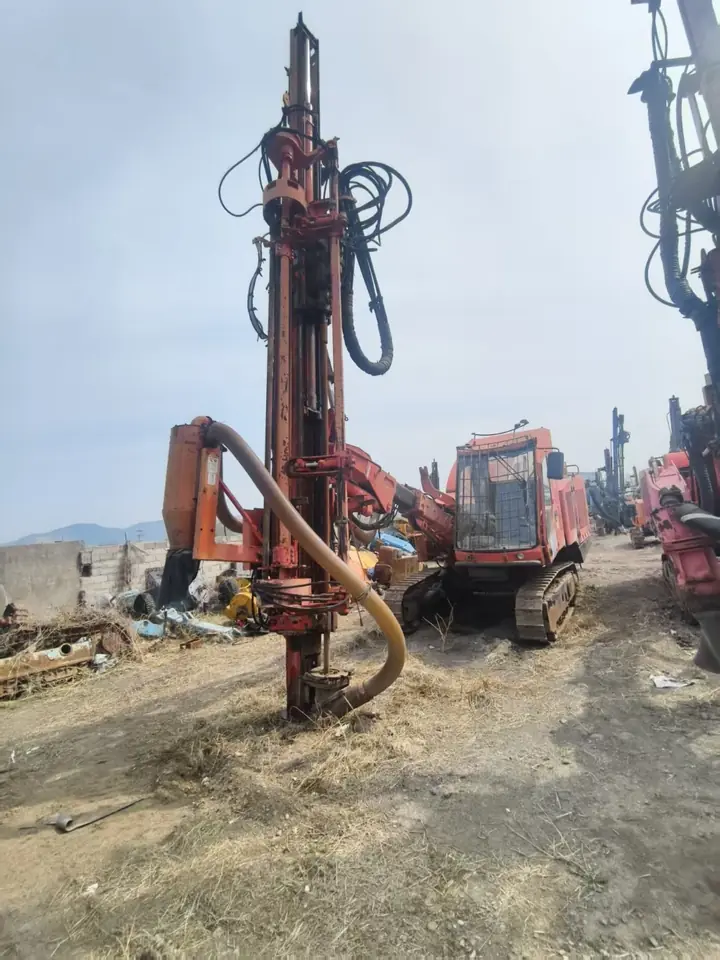
Sandvik DP1100 CR-005 and Epiroc T35 CR-034 illustrate why the shortlist must be organised by stock unit. Their product pages identify different machines and associated photographs. Select the record you want, request the relevant component plates and use the inspection checklist to develop its service-item list. Model-family technical information does not prove the configuration or repair needs of either unit. Include the agreed spare parts in the equipment quotation, and verify their labels and quantities again during packing and handover.
- Send the stock ID, destination and proposed service period when requesting a parts review.
Topic decision table: Used Drill Rig Spare Parts: What to Check Before Purchase
| Topic checkpoint | Buyer action | Evidence-based explanation |
|---|---|---|
| Start with serial numbers, not a shopping list | Send clear identification photographs with every parts enquiry, alongside the seller's stock ID. | Record the rig serial number and photograph the identification plates on the fitted engine, rock drill and other relevant assemblies. |
| Which documents make a parts request useful? | Ask the parts provider to reference the catalogue and component identity used for its quotation. | Obtain the applicable parts catalogue and operator or maintenance manual through an appropriate owner or manufacturer channel. |
| Separate service items from critical components | Create separate lines for item number, application, quantity and the reason it is needed. | A starting package can be organised into routine maintenance items, wear items and larger components that could interrupt work. |
| How should alternative parts be assessed? | Keep the proposed part identity and compatibility confirmation attached to the order. | Distinguish an original manufacturer's part from an alternative offered by another supplier. |
Apply this guide to current inventory
- Drilling Rigs →
- Air Compressors →
- Inspection →
- Export planning for Indonesia, the Middle East and Africa →
- Sandvik DP1100 · CR-005 →
- Epiroc T35 · CR-034 →
- Used Drilling Rig Inspection Checklist: 12 Evidence-Based Checks Before You Buy →
- Engine Hours vs Drilling Hours on a Used Drill Rig →
- Shipping a Used Drilling Rig: Dimensions, Loading and Handover →
Editorial details and evidence notes
How should the evidence be interpreted?
| Evidence type | What it can support | What it cannot prove |
|---|---|---|
| Official or manufacturer source | The cited family, standard or regulatory statement | The configuration or condition of a listed used unit |
| Published inventory record | Stock ID, supplied fields and linked listing photos | Current availability, hidden condition or included scope |
| Unit inspection evidence | Serial-specific observations within the agreed test scope | Performance outside the tested conditions |
Questions about using this guide
Does this guide prove that a listed machine has the feature or compliance discussed?
No. The guide explains a verification method. Confirm the exact stock ID, serial identity, installed configuration and destination rules before relying on it.
What should a buyer do before requesting a final quote?
Send the stock ID, project requirement, destination and requested inspection scope, then ask for current machine-specific evidence.